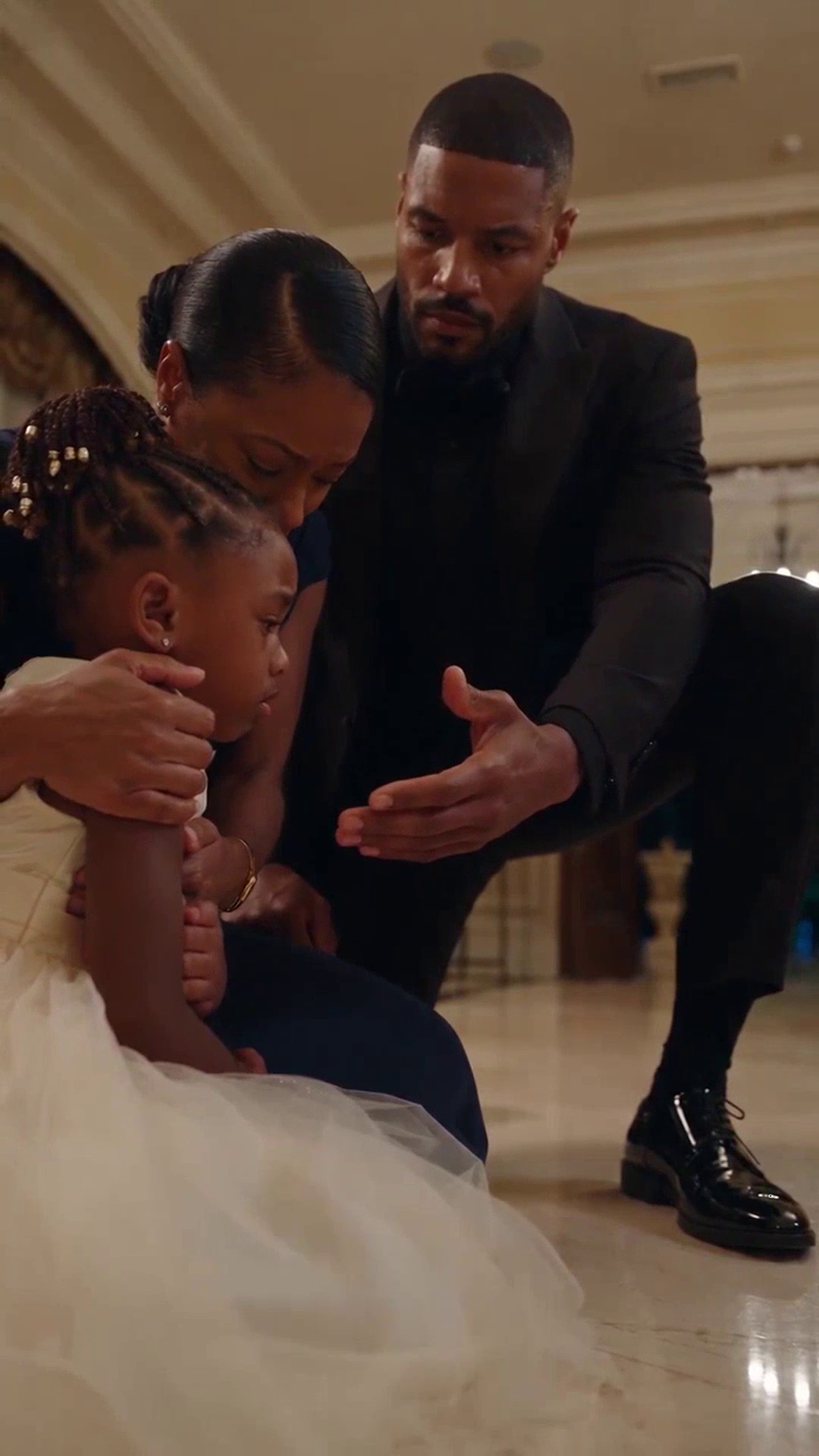
Chapter 1 - Shall We Dance?
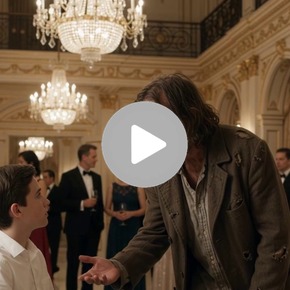
The Vance Family Foundation Gala looks the same every year, and for four years I had been parked at the same table beside the terrace doors.
White orchids.
A string orchestra.
Three hundred people in black tie who had paid five hundred dollars a plate to raise money for spinal cord research.
I am the research.
I was twenty-four when the truck came through the intersection on Halstead Avenue, and I have been the reason for the auction paddles ever since.
That night I wore navy, my hair pinned up, my chair angled so I could watch the dancing without forcing anyone to look at me while they did it.
Then a man came through the crowd in a white kitchen apron over a gray sweatshirt.
He was not a guest.
He smelled like dish soap and fryer oil, and he had the flat, windburned look of a man who sleeps outdoors.
He stopped in front of me and bowed, low and formal, the way men bow in old movies.
His hand came out.
It was not clean.
"Shall we dance?"
I remember the room going quiet in a wave, table by table.
Then my father was there.
Richard Vance, in a tuxedo, one arm out like a gate coming down.
"Don't touch my daughter!"
My shoulders came up before I decided to be afraid.
My hands locked onto the armrests.
I turned my head so fast my neck hurt.
He was red from the collar up.
That was not a thing I saw often.
My father does not shout at people; he gets quieter and more polite the angrier he is, and everyone in that room has learned to read it.
This was different.
This was fear.
I understood later why.
I put one hand up between them.
My eyes were wet.
My lip was doing something I could not stop.
"Stop!
I want to see what he can do!"
The room made a sound.
My father said my name, once.
The man in the apron crouched until his face was level with mine.
Up close his eyes were steady and calm and not the least bit wild, and that was the part that frightened me most.
"I can make you walk again."
He said it the way a man says a fact he has already checked twice.
Then he told me what to do.
Heel first, he said.
Don't look down at your feet.
Push the floor away; don't try to lift yourself.
I want to be honest about this part, because for four years I had been told what my body could not do, and I had started to believe it the way you believe a mortgage.
I put my feet on the marble.
My knees shook hard enough that I could see them shaking.
Then I stood up.
Three hundred people watched a woman rise out of a wheelchair after four years, and I heard the noise they made all at once, and I heard my father say, "My God, it's a miracle," with both hands over his mouth and tears running down his face.
I stayed up for about forty seconds.
Then my knees folded like wet paper, and the man in the apron caught me under the arms before I hit the floor.
Two security guards pulled him off me.
He did not fight them.
He looked back over his shoulder the whole way to the door.
One of the guards had his wallet and his work badge, and he read the name off it out loud, the way guards do when they want you to hear it.
"Frank Mercer."
My father turned to the head of security.
He was still crying and his voice was perfectly level.
"Frank Mercer is never coming near her again."
He said it fast.
He said it the way a man says something he has already practiced.
And sitting on the marble floor of my own charity gala, with my legs still ringing from the effort, I understood that my father had known that name for a long time.