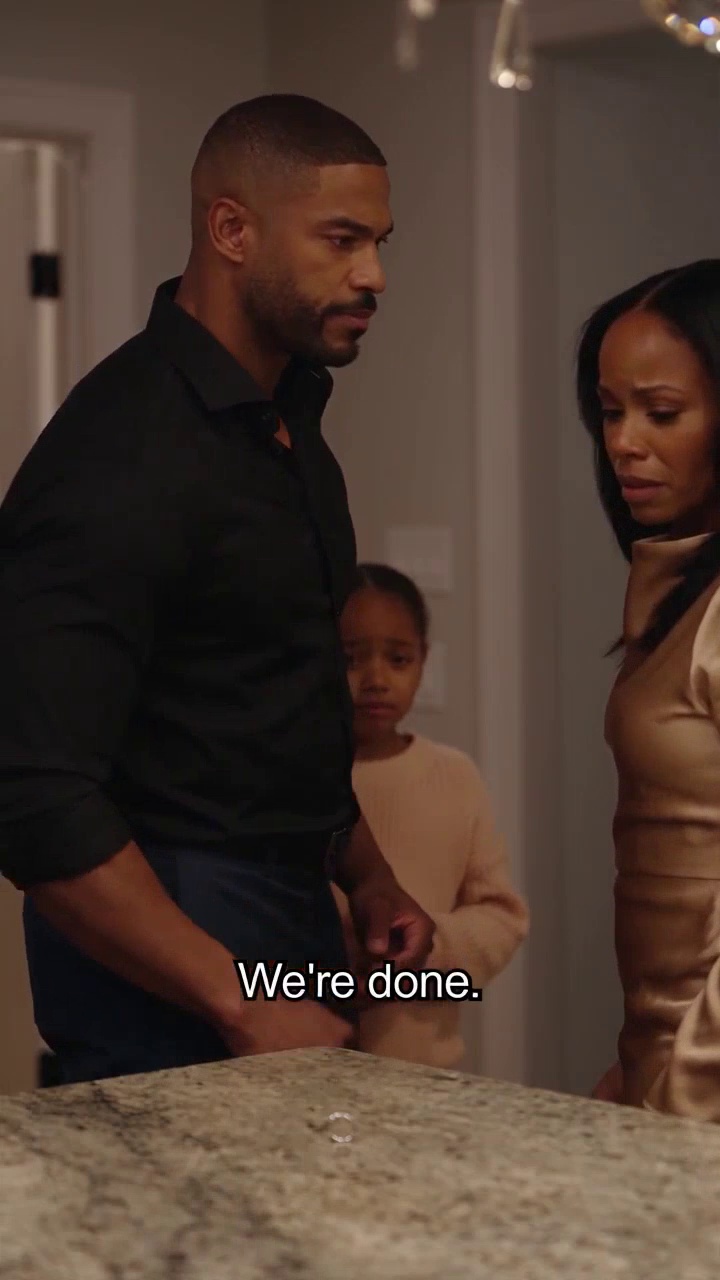
Chapter 6 - The Cousin Who Came Back to the Door
Jessica came to the house two days later, in the late afternoon, without calling first.
I saw her through the window and I almost didn't open the door.
She stood on the porch with her arms wrapped around herself, and she looked smaller than she had in the café, and her eyes were red before she said a word.
"I know you don't want to see me," she said.
"I wouldn't want to see me either."
I opened the door because I had questions, and I let her in because I wanted answers more than I wanted to punish her.
She sat on the very edge of the chair by the window, the same chair where Michael used to read the paper, and she kept her hands folded in her lap like a child in the principal's office.
"I need you to tell me the truth," I said.
"All of it.
Not the version he gave you."
She nodded and took a breath.
"He told me you two were finished," she said.
"He told me you'd agreed to a divorce and you were just waiting until after the holidays to file.
He said you didn't want the house and you didn't want him and you were relieved."
"And you believed him."
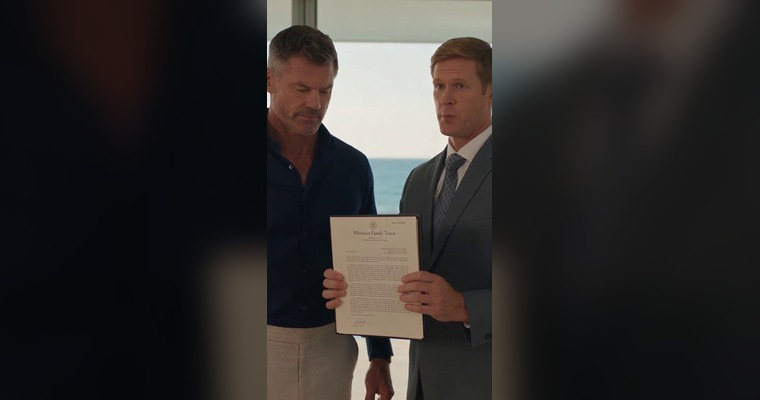
"I believed him because he showed me a paper," she said.
"It had your name on it.
I saw 'Sophia' at the top and I saw a signature at the bottom and I didn't read the rest.
I should have read the rest."
I sat down across from her.
"Why didn't you?"
She looked at me and her face crumpled.
"Because I was scared," she said.
"Because my lease was up and I had nowhere to go and he said he'd take care of me.
He said he'd set me up in a real place, a good place, and he said it would all be clean and official by spring."
She started to cry.
"And then I found out about the baby," she said, "and everything changed.
He changed.
He told me not to tell anyone.
He told me to handle it quietly.
He said if I told you it would ruin everything he'd worked for."
I sat there and I felt the two of us being pulled along the same wire.
"He told me you were cold," I said.
"He told you I didn't want him anymore."
She nodded.
"He told me you were never home."
We sat in silence for a moment.
"He lied to both of us," I said.
"The same way, at the same time, with the same words."
She wiped her face with the back of her hand.
"What do we do?" she asked.
And that was the strange thing.
She said we.
"We don't talk to him on the phone without recording it," I said.
"We don't meet him alone.
And we don't sign anything he hands us, ever again."
She nodded.
"I can do that," she said.
She got up to leave and I walked her to the door, and we stood there like two people who had been in the same accident and were only now looking at each other across the wreckage.
"I'm sorry, Sophia," she said.
"I know that isn't enough."
"It isn't," I said.
"But it's a start."
She went down the steps and I closed the door and I stood in my own hallway and breathed.
That evening, at seven forty, my phone rang with a number I knew, and Michael's voice came through the speaker, low and careful.
"Sophia," he said.
"I need those papers back.
The signed ones."
Then he said, "They aren't what you think."
I didn't call him back.
I sat down at the kitchen table with a notebook and wrote down the time of the call and every word he said.
And then I sat there and understood that the paper I had signed on my way out the door was not something he was trying to hide.
It was something he was afraid of.